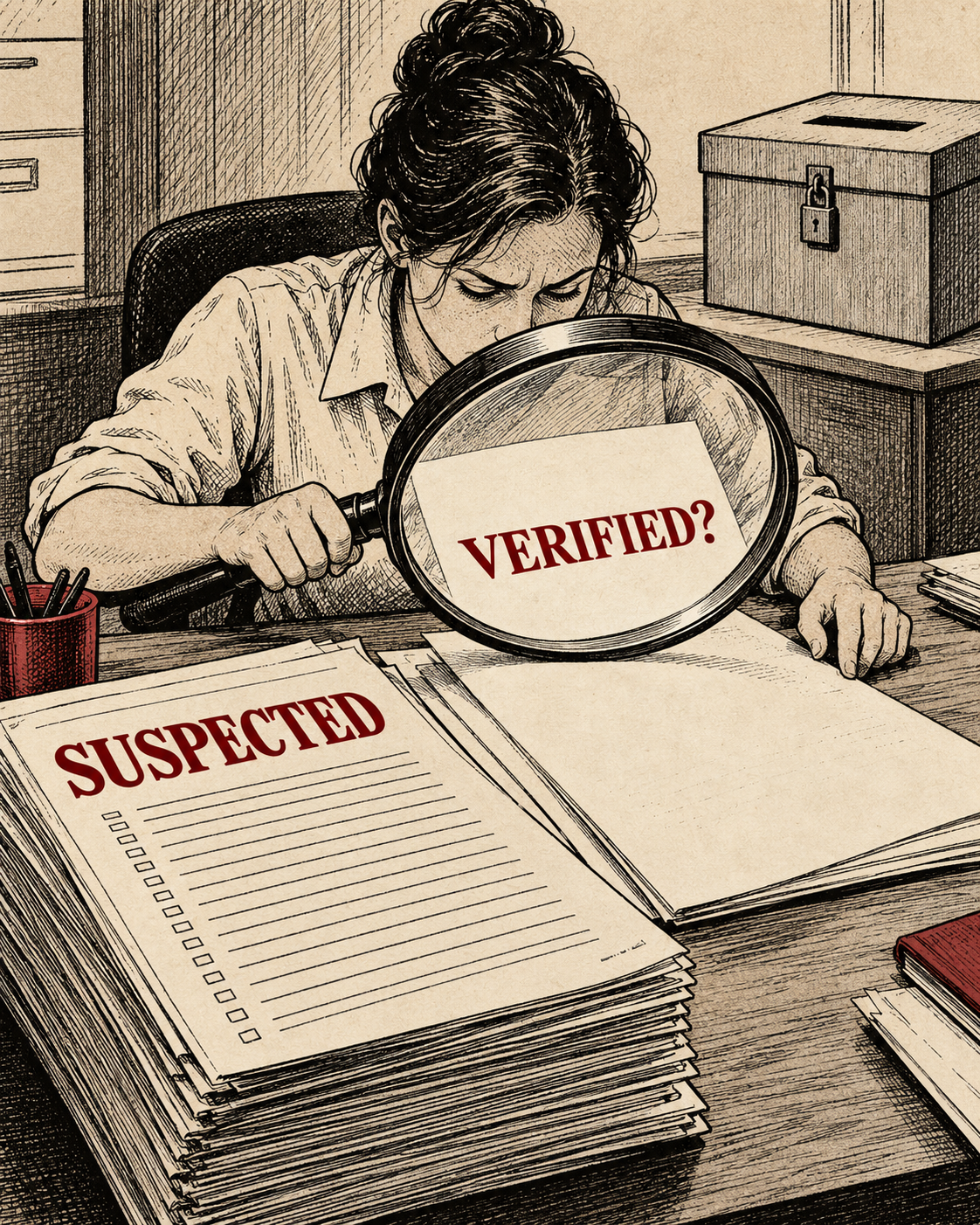
The Ninth Circuit dismissed the Trump administration's appeal in the California election-worker case on November 10. In Los Angeles that same day, U.S. District Judge David Carter closed a separate case the Justice Department had brought against California and its election officials. Carter took a sentence to say what he thought of the whole exercise.
“This lawsuit attempted to disrupt an ongoing election and create confusion and uncertainty for voters and election workers alike.”
That's from the order closing DOJ's case. The November 13 hearing Carter had set to examine the government's list of suspected noncitizens was canceled. The government left before anybody had to put that list through the hearing it was due to get.
DOJ said it was trying to prevent noncitizen voting and protect the votes of citizens. It wanted California to set aside mail ballots from people on a list of roughly 20,000 registered voters it suspected were noncitizens, pending citizenship checks. When it withdrew its suit on November 6, DOJ said California would have mixed the disputed ballots with the others by the hearing and the remedy it sought would be unavailable. The Supreme Court had already denied emergency relief on November 2.
California Attorney General Rob Bonta said DOJ stepped away rather than face questions about its list. At a hearing in the separate election-worker case, DOJ lawyer Kenneth Kao had agreed it was fair to describe the list as having a high error rate and said the department wanted officials to help verify names. I would have put that step before the prosecution warnings. Bonta's statement and Courthouse News' hearing report record both accounts.
That second case started with election-worker unions and civil rights groups asking a court to protect workers from federal pressure. On October 30, Judge Trina Thompson temporarily barred DOJ and Homeland Security from demanding that officials set aside ballots solely because the government alleged voters were ineligible, and from threatening prosecution for lawfully processing them.
The Ninth Circuit reinstated a stay of Thompson's order on Election Day. The earlier panel majority had treated the letters as requests and warnings. Chief Judge Mary Murguia dissented that the threat of prosecution could coerce officials into abandoning lawful state procedures. The next day, Thompson put the preliminary-injunction proceedings on hold and canceled her own November 13 hearing.
The unions and civil rights groups withdrew their case without prejudice on November 6. Their notice gave no reason. On November 9, both sides told the Ninth Circuit that the withdrawal had dissolved Thompson's order and agreed to drop the appeal. The court dismissed it on November 10.
In our coverage of ballot-assistance claims in Maine, the first question was what the law actually allowed. Here, the first question was who was actually on that list. Carter had set aside a Friday to ask it. DOJ had already asked election officials to act on it.
Sources
- November 10 court order closing DOJ's case, ECF 181
- DOJ's November 6 voluntary dismissal and rationale, ECF 180
- U.S. Supreme Court docket 26A624, November 2 denial
- California Attorney General Rob Bonta's November 6 statement
- Courthouse News reporting from November 2 hearing
- Judge Thompson's October 30 temporary restraining order, ECF 26
- November 3 appellate order with earlier panel reasoning and dissents, Dkt. 32.1
- Judge Thompson's November 4 order staying preliminary-injunction proceedings, ECF 78
- Plaintiffs' November 6 voluntary dismissal, ECF 79
- November 9 joint stipulation to dismiss the appeal, Dkt. 41.1
- Ninth Circuit November 10 appeal dismissal and mandate, Dkt. 42.1
Write to the Editor